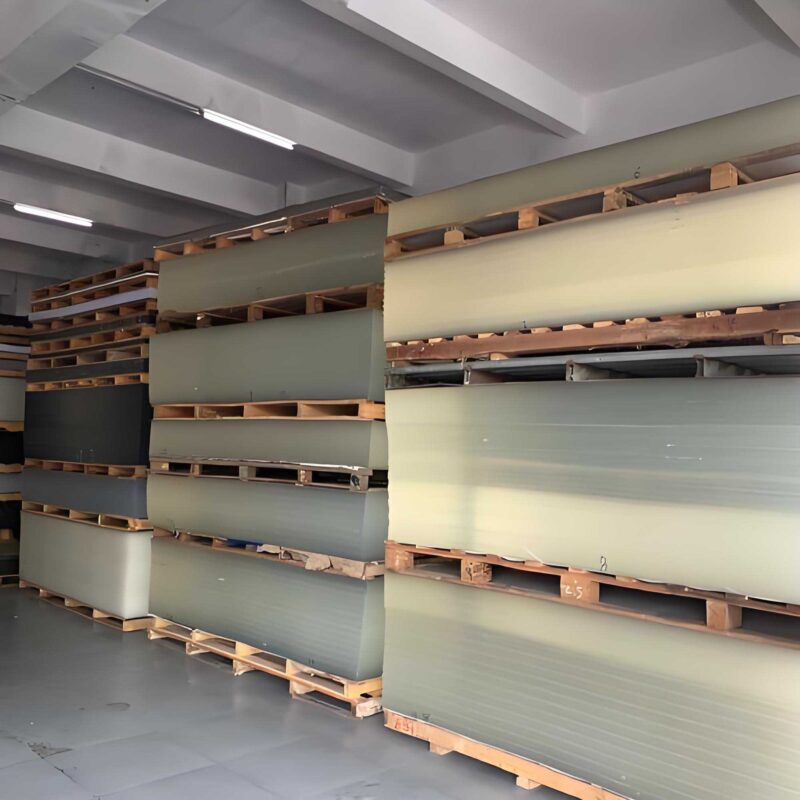
Thermoforming Materials
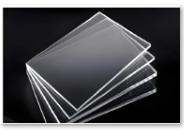
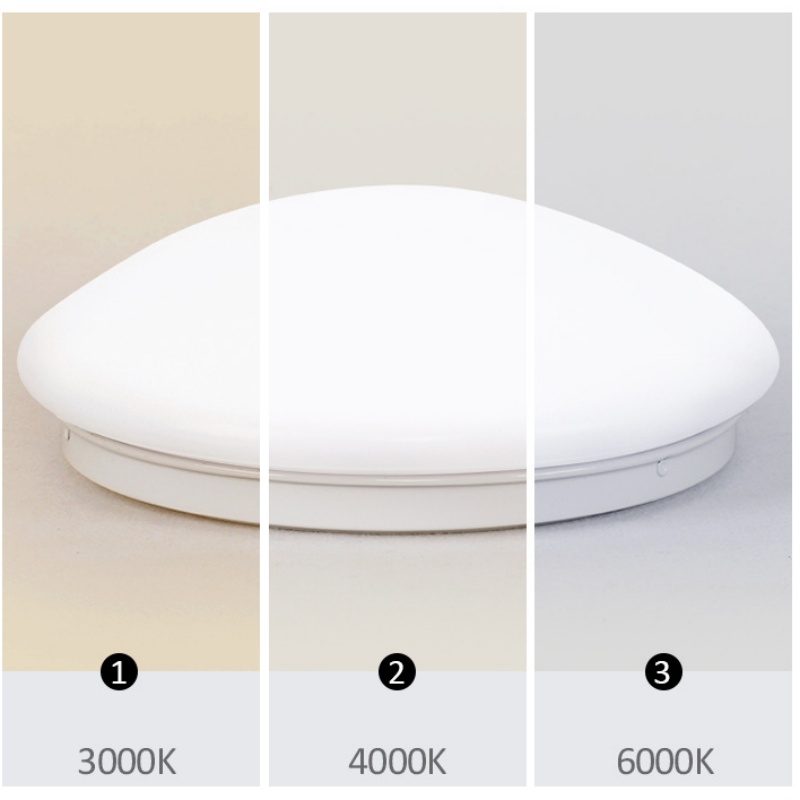
What kind of material can be chosen to prevent the lampshade of the ceiling light from turning yellow?
Choosing a ceiling lamp shade made of PC (polycarbonate) or PMMA (polymethyl methacrylate) material can effectively prevent yellowing. These two materials have high transparency and excellent weather resistance, especially PC material, which has significant UV resistance and can maintain the clarity of the lampshade for a long time, delaying the yellowing process.
When selecting the material of ceiling lamp shade, we should not only consider its beauty and durability, but also pay attention to its anti-aging performance, especially its ability to prevent yellowing. Yellowing not only affects the appearance of the lamp, but may also reduce the lighting effect. Therefore, choosing the appropriate material is crucial.
1、 PC material lampshade
PC (polycarbonate) is a high-performance plastic material widely used in lamp manufacturing due to its excellent UV resistance and high impact strength. The lampshade made of PC material has excellent transparency and can maintain high clarity for a long time, making it less prone to yellowing. This is due to the excellent weather resistance and stability of PC materials, which can maintain good physical and chemical properties even under prolonged exposure to light and temperature changes.
In addition, the lampshade made of PC material also has good impact resistance, which can effectively protect the light source and electronic components inside the lamp, extending the service life of the lamp. Therefore, when choosing a ceiling light lampshade, PC material is a good choice, which can effectively prevent the lampshade from turning yellow and maintain the beauty and performance of the lamp.
2、 PMMA material lampshade
In addition to PC material, PMMA (polymethyl methacrylate) is also a high-quality lampshade material. PMMA has the characteristics of high transparency, strong weather resistance, and high surface hardness, which enables lampshades to remain clear and transparent for a long time without easily yellowing. Compared to PC materials, PMMA has superior optical properties in certain aspects, providing a softer and more uniform distribution of light.
At the same time, PMMA lampshades also have good processing performance and can be made into various shapes and styles of lampshades to meet the aesthetic needs of different consumers. Therefore, when choosing a ceiling lamp shade, PMMA material is also a worthwhile choice to consider.
In general, to prevent the lampshade of the ceiling light from turning yellow, it is recommended to choose a lampshade made of PC or PMMA material. These two materials not only have high transparency and weather resistance, but also effectively delay the yellowing process, maintaining the beauty and lighting effect of the lamps. When making a purchase, consumers can choose suitable materials and styles based on their actual needs and budget.
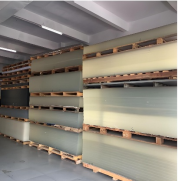
Recommended application scenarios:
- Outdoor lighting/harsh environment: PC lampshades are preferred as they have good impact resistance, weather resistance, and can withstand external damage such as hail and gravel. They are suitable for outdoor scenes such as courtyard lights, street lights, and car lights.
- Indoor lighting/children’s activity area: PC lampshades are preferred as they have high toughness and are not easily damaged. Even if children play or collide, they are not easily broken, making them safer.
Indoor projects with extreme requirements for transparency
- High transparency display lighting: PMMA lampshades can be selected for higher transparency and excellent optical performance, suitable for display lighting and indoor projects with extreme requirements for transparency.
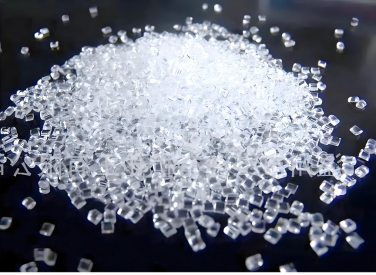
Core performance comparison.
- Impact resistance: PC is much better than PMMA, and its impact strength is 200-250 times that of ordinary glass. It is not easy to break and is suitable for scenarios with collision risks; PMMA has poor impact resistance, is fragile and prone to cracking, and poses significant risks in extreme weather or external environments.
- Transmittance performance: PMMA is slightly better than PC, with a transmittance of over 92% and excellent optical performance; The transmittance of PC is about 85% -97%, and UV coating treatment can improve its resistance to UV aging.
- Heat resistance: PC is significantly better than PMMA, with a temperature resistance of up to 120-130 ° C, and is not easily deformed in high temperature environments; PMMA is prone to softening at 70-90 ° C and has low temperature resistance.
- Surface hardness: PMMA is superior to PC, with high surface hardness, strong scratch resistance, and the ability to maintain transparency for a long time; The surface of PC is relatively soft and easily scratched, which affects its appearance and optical effect.
- Weather resistance and aging: PMMA has better weather resistance, stable color, and is not easily yellowed, making it suitable for long-term outdoor use; PC has poor UV stability and is prone to aging and yellowing. It is necessary to add UV resistant coatings to delay yellowing and become flammable,
- Flame retardant safety: PC is superior to PMMA, with a flame retardant rating of UL94 V-0 and self extinguishing upon ignition;